

What Every Business and Organization Needs to Know About the Spanish-Language Market in 2026
Published by InSpanish Media
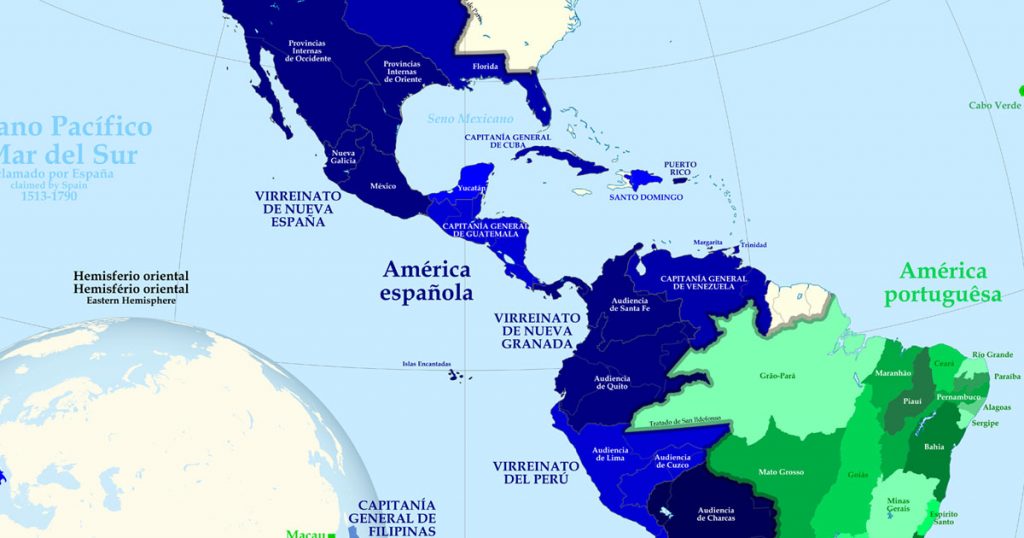
The Latino community in the United States represents one of the most powerful and fastest-growing consumer markets on the planet. Yet, in the United States most recently they are treated like enemy combatants in a global war of anti-immigration sentiment, when ironically Latinos in the United States pre-date english colonial rule and pre-revolutionary populations. Latino’s are the second oldest population in America preceded by Native Nations. Spanish has been spoken in America for far longer than English or any other european language.
Latinos together represent a buying power that has reached an estimated $4.1 trillion — rivaling the GDP of some of the world’s largest economies — and a population exceeding 65 million people, this is not a niche audience. It is the American mainstream in the making.
And yet the majority of businesses, nonprofits, healthcare systems, legal firms, and government agencies are still leaving this market almost entirely untouched.
If your organization is not actively communicating in Spanish — authentically, consistently, and with genuine cultural intelligence — you are not just missing an opportunity. You are ceding ground to the competitors who are.
Here is what the landscape looks like right now, and why 2026 may be the most important year your organization has ever had to get this right.
The Market Is Enormous. The Gap Is Bigger.
Research tells a striking story: only 18 percent of Latinas feel that mainstream brands reflect their values. That means 82 percent of one of the most economically influential consumer segments in the country — a group that controls massive household purchasing decisions across healthcare, legal services, financial products, food, retail, and entertainment — feels largely invisible to the brands competing for their business.
That is not a crowded market. That is a wide-open door. Despite most large corporations incorporating Spanish language marketing and strategy, most medium to small businesses pass on this untapped potential.
The Hispanic market is also evolving internally in ways that demand more than a one-size-fits-all approach. Caribbean communities anchor the Northeast. Midwest cities like St. Louis and Chicago are home to growing Mexican, Central American, and South American populations. New migration corridors are reshaping the South. Each of these communities has distinct cultural touchpoints, media habits, and communication preferences.
The brands and organizations winning in this market are not the ones with the biggest budgets. They are the ones with the deepest cultural intelligence — and the right partners to translate that intelligence into action.
Speaking Spanish Is Not Enough. Speaking to Your Audience Is Everything.
One of the most important findings in current market research is this: for Latino audiences, Spanish-language communication functions as a trust signal, not just a language preference. Studies show that Hispanic audiences are 89 percent more likely to engage with content in their preferred language, and they do. Most trade and commerce occurs within the Latino communities. Among Latinas specifically, 43 percent prefer brands that advertise in Spanish — nearly double the rate of Hispanic men.
But here is where most organizations get it wrong.
The Hispanic Marketing Council has a term for the most common mistake: Latino Coating. That is what happens when a brand adds superficial Latino elements to existing English-language content — a translated tagline here, a flag emoji there, a Heritage Month social media post that disappears by October 16. Latino consumers, particularly the younger generations driving purchase decisions and family spending, recognize this immediately. And they walk away.
Authentic Spanish-language communication is not a translation exercise. It requires bicultural thinking from the very beginning — creative concepts developed in a Spanish-language mindset, not retrofitted from English. It requires understanding the humor, the family dynamics, the cultural references, and the unspoken norms that make a message land versus fall flat. It requires the kind of community trust that is built over years, not purchased in a media buy.
That is precisely what InSpanish Media brings to every client engagement. Nearly 30 years of bilingual, bicultural, community-embedded media experience — not as a vendor checking a box, but as a genuine partner in the community your organization is trying to reach.
Where Your Audience Is — And How to Reach Them
The platform mix for reaching Latino audiences in 2026 has never been more dynamic, and knowing where to concentrate resources makes all the difference.
YouTube is the dominant streaming platform for Spanish-language dominant Hispanic viewers, outpacing every other streaming service. Spanish-language content on YouTube is not supplemental — it is primary. And the content that performs best is not polished brand advertising. It is authentic, useful, community-centered video that earns trust by being genuinely helpful.
WhatsApp is where community trust lives. Fifty-four percent of Hispanic adults use the platform — far higher than any other demographic group — and they use it to share recommendations, news, and brand information within family and friend networks. If your organization is not part of those conversations, your competitors may be.
Streaming services have largely replaced cable in Latino households, with 78 percent subscribing to at least one service. Spanish-language video content placed on streaming platforms is delivering higher engagement and recall rates than traditional broadcast. Podcasts continue to grow as a trusted format, particularly among Latino men — making audio strategy an important complement to video for organizations targeting that segment.
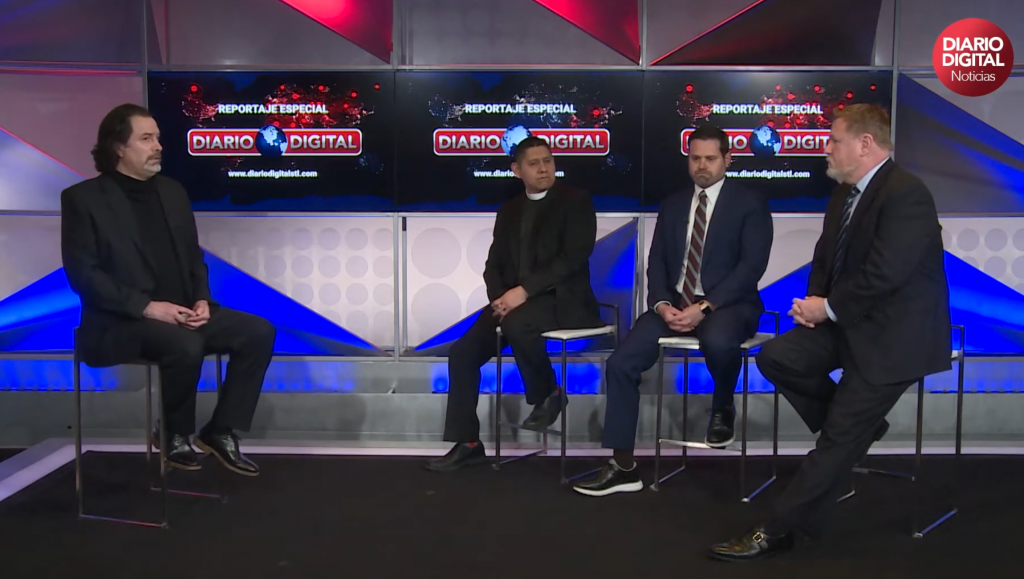
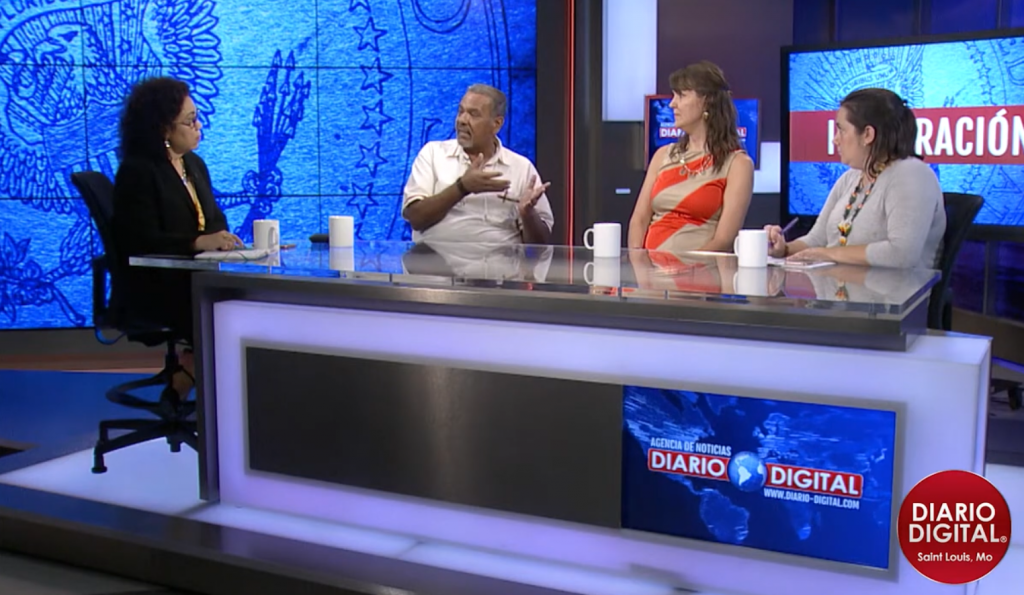
And across all platforms, the content that consistently outperforms is video. Live video. Documentary-style storytelling. Community voices. Real people, not actors. Interview capture that puts your organization’s message in the context of the community’s own story.
InSpanish Media specializes in exactly this kind of production — rapid deployment, bilingual delivery, live location feeds, and the kind of street-level credibility that no out-of-market production house can manufacture.
The Political and Civic Moment: Why This Year Is Different
For organizations working in civic engagement, legal services, healthcare, or any field that touches the daily lives of Latino families, 2026 presents a communications environment unlike anything in recent memory.
The current immigration enforcement climate has created widespread anxiety across the Latino community — well beyond undocumented individuals. U.S. citizens and legal residents are being swept up in enforcement actions. Families are making decisions about where to shop, which clinics to visit, and which organizations they trust based on who is showing up for them in this moment.
Latino voters — particularly first and second-generation Americans — are genuinely persuadable right now. Both political parties are spending heavily on Spanish-language outreach, but spending alone does not build trust. Consistency does. Authenticity does. And showing up in the community before election season does.
For legal professionals, healthcare providers, financial services organizations, and civic institutions, the message is direct: your Spanish-speaking clients and patients need you to reach them in their language, through voices they trust, on the platforms where they are actually seeking information. The organizations that step into that role right now will build relationships that last for generations.
The World Cup: A Once-in-a-Generation Window — Closing Fast
If your organization has not yet developed a Spanish-language strategy around the 2026 FIFA World Cup — kicking off June 11 across the United States, Mexico, and Canada — you are already behind. And the window will not reopen for four years.
Latino audiences rank the World Cup second in importance only to Christmas. They are three times more likely than non-Hispanic audiences to identify as soccer superfans. An estimated 44 percent of U.S. Latinos plan to follow the tournament closely — more than any other demographic group in the country.
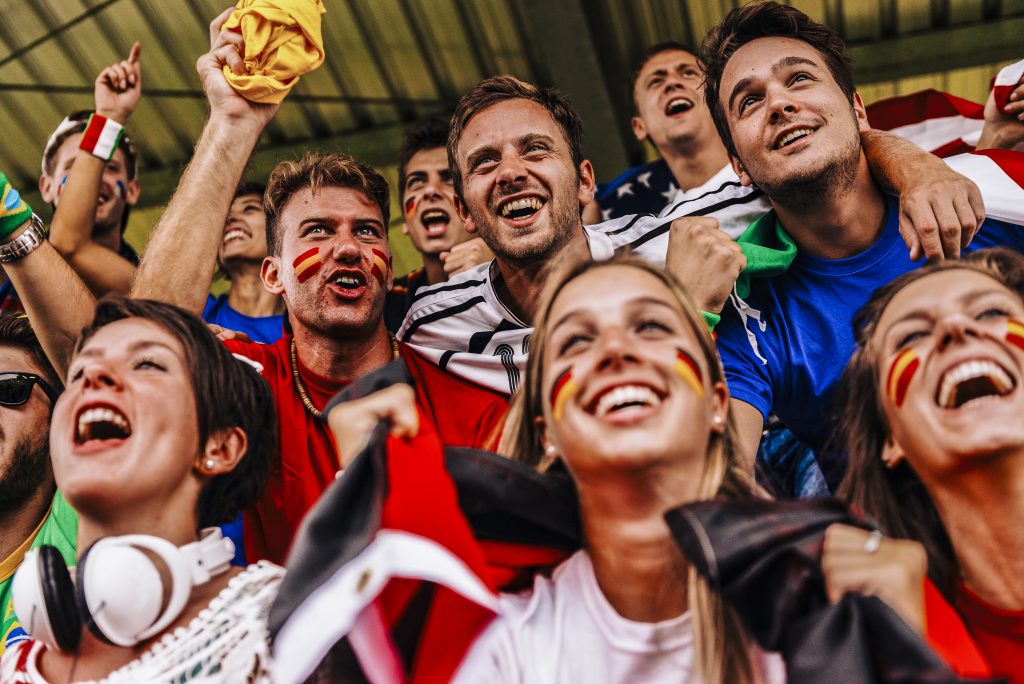
Eight matches will be played in Los Angeles, where the population is nearly 50 percent Latino. Miami hosts seven matches. Houston, Kansas City, Dallas, and other host cities all have large, passionate Latino fan bases primed to engage with brands and organizations that show up authentically during the tournament.
Research from Nielsen shows that Latino sports fans are 39 percent more likely than the general U.S. population to recommend a brand that sponsors events they care about, and 37 percent more likely to feel lasting loyalty to those brands. The World Cup is not just a sports event. It is a cultural moment with commercial implications that will play out for years.
InSpanish Media can help your organization activate around the World Cup — from Spanish-language content production and live coverage to community event partnerships, bilingual social media campaigns, and advertising placement in trusted Spanish-language media.
Latino Arts and Culture: Where Brand Relationships Are Built
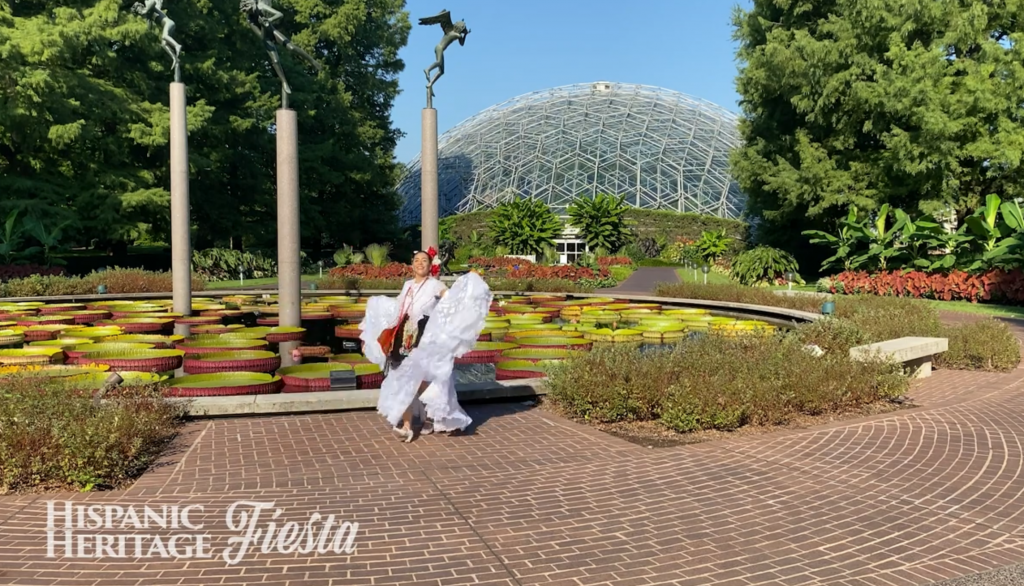
Beyond sports, Latino culture is driving American mainstream culture — in music, food, film, visual arts, and community life. And the organizations that show up consistently in cultural spaces build the kind of brand relationships that no media buy can replicate.
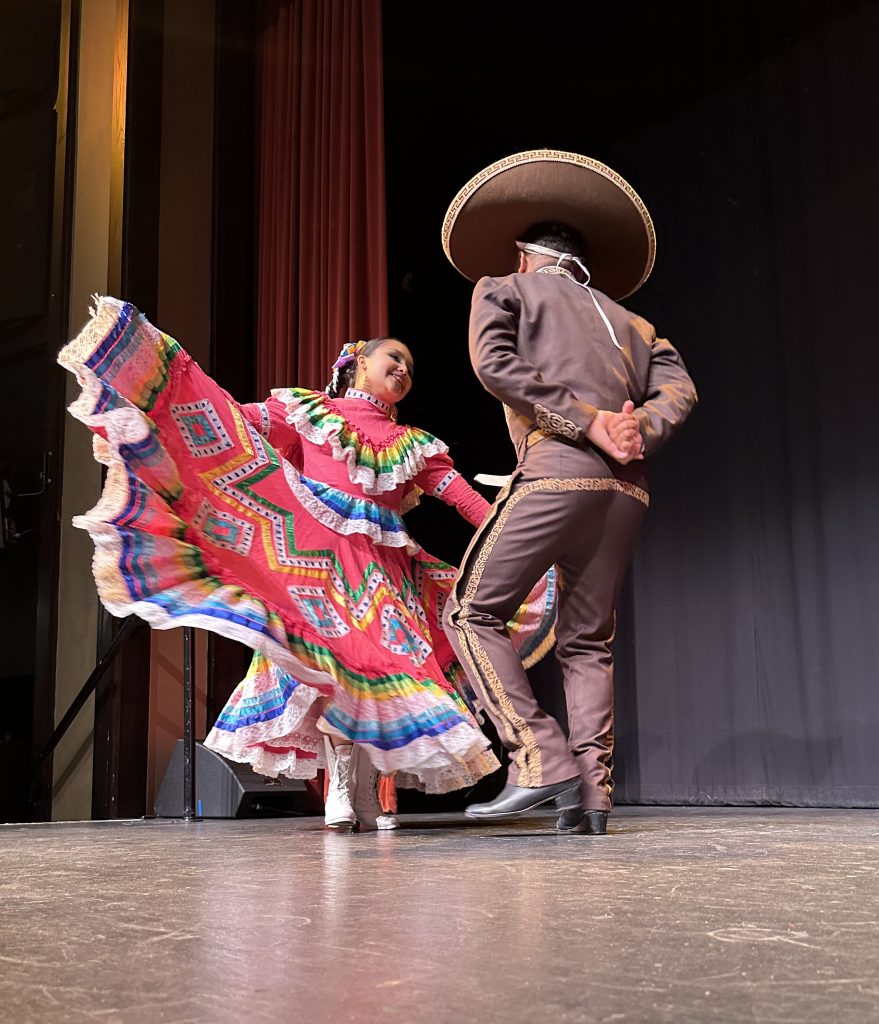
Latino film festivals are not charity events. They are cultural institutions with passionate, educated, community-invested audiences that represent exactly the kind of early adopters and community influencers that shape word-of-mouth across families and neighborhoods. Latino music events — from regional Mexican concerts to Latin jazz and flamenco performances — are where genuine emotional connection happens.
For organizations looking to move beyond transactional advertising into authentic community partnership, cultural sponsorship and content co-creation are among the highest-return investments available in this market. InSpanish Media has the relationships, the production capabilities, and the cultural credibility to help your organization show up in these spaces in ways that resonate — not just with a logo on a banner, but as a genuine participant in the cultural life of the community.
What Working with InSpanish Media Looks Like
With nearly 30 years in bilingual broadcast, journalism, graphic design, video production, and community media, InSpanish Media offers a rare combination: the editorial credibility of an established Spanish-language news organization and the full-service production capabilities of a professional creative studio backed by decades of market intelligence and deep native understanding.
We produce and deliver:
- Bilingual video production — from rapid-deployment news-style coverage to long-form documentary and branded content
- Live location feeds and stringer support — breaking news, community events, press conferences, and live activations
- Spanish-language marketing and branding campaigns — culturally developed from the ground up, not translated from English
- Bilingual interview capture — politicians, executives, community leaders, and subject matter experts, in English or Spanish
- Podcast and audio content — scripted and produced for Spanish-language audiences
- Graphic design and visual identity — award-winning design for campaigns, publications, events, and digital platforms
- Community access and placement — through DiarioDigital Noticias, Missouri’s first independent Spanish-language digital news platform, operating since 2009
Our clients include legal and medical professionals, trade organizations, cultural institutions, civic bodies, and businesses across industries who understand that reaching the Latino market is not optional — it is essential.
The Question Is Not Whether to Act. It Is Whether to Act Now.
The Latino market in 2026 rewards consistency, authenticity, and genuine cultural engagement. It punishes late arrivals with checkbooks but no relationships.
The organizations that build trust with Latino communities this year — through honest communication, community presence, and Spanish-language media that serves rather than exploits — will be the ones with durable market positions five, ten, and twenty years from now.

InSpanish Media is ready to help you become one of them.
Contact us to discuss what a Spanish-language communications strategy looks like for your organization.
InSpanish Media. Serving Latino communities in Missouri, Illinois, and beyond. Building trust and earning credibility since 2001.
Una respuesta a «Is Your Organization Speaking to 65 Million Americans — Or Just About Them?»
Hi, this is a comment.
To get started with moderating, editing, and deleting comments, please visit the Comments screen in the dashboard.
Commenter avatars come from Gravatar.